Frequently Asked Questions

Can thermal imaging (infrared) cameras see right through
the walls in my home?
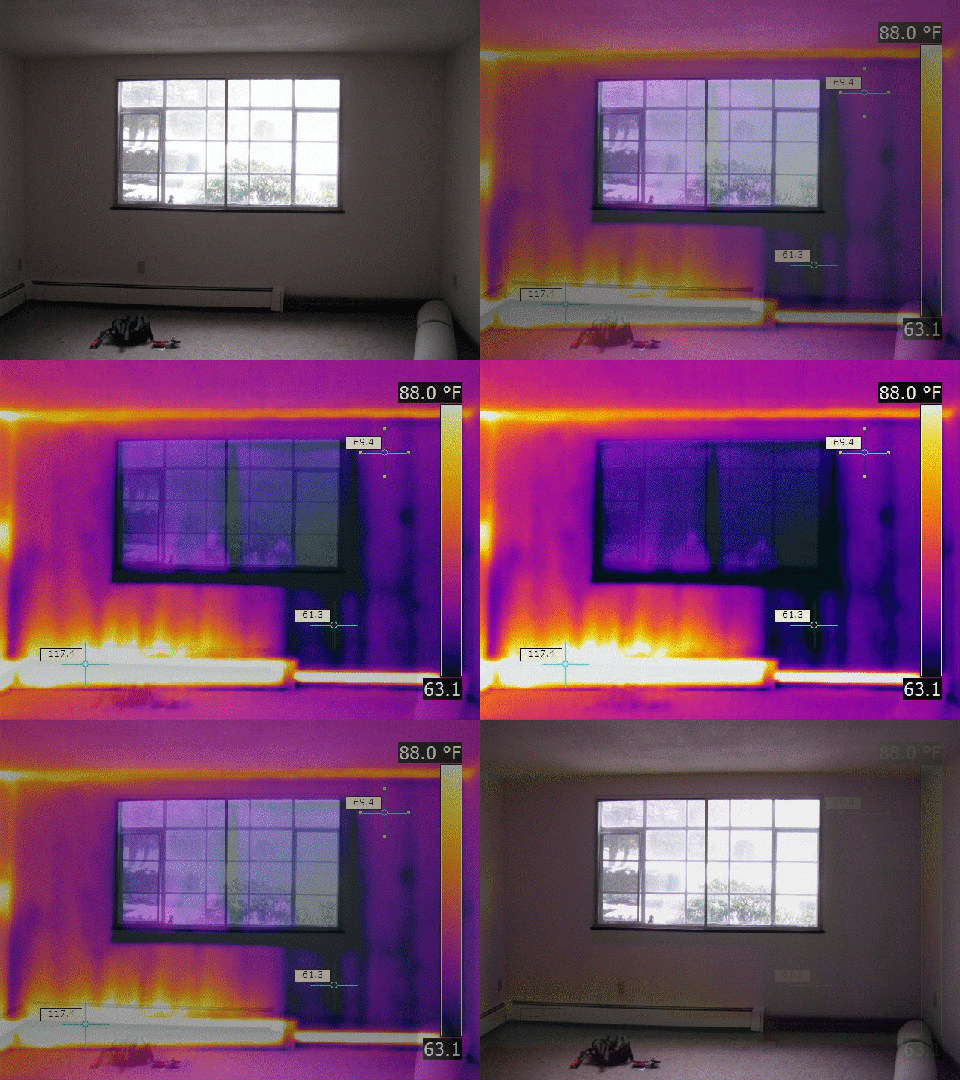
Absolutely not. Although it does appear as if you are looking directly at components
within the wall cavity, but what you are actually seeing are the temperature
differentials on the surface of the wall due to material or moisture conducting
its temperatures directly onto the wall that is being scanned. And...infrared camera’s
can not see through clothing or windows either.
Is infrared Thermography safe?
Yes. It is non-invasive and does not require removing materials (your
ceilings, walls, floors, etc.) in order to detect concealed issues.
How does infrared Thermography detect
moisture?
As moisture evaporates, it creates a cooling effect similar to getting out of
the shower and standing under a fan. This cooling effect is clearly displayed on
my infrared camera's monitor. I then interpret the readings of this cooling
effect directly to you (my client).
Does your infrared camera detect the presence of mold,
termites or any other household invaders??
My infrared camera does not detect the presence of mold or insects. It
can however be used to look for areas that retain moisture and therefore leave a
different heat pattern (signature) than the surrounding environment. Since mold
usually builds up in areas where above average moisture resides, and
concentrations of insects are usually only indicated as a heated area. Infrared
cameras can absolutely be used to pinpoint suspect areas for mold buildup
or insect infestations.
Where can thermal imaging be used (in my home) for
Predictive and Preventative intenance?
There is no perfect building out there and many will have issues that are
unknown to the occupants, until I get there. I will always detect
something (whether it be minor or major) by performing a preventative and
predictive maintenance scan. I'm simply going to show you how these issues can
be corrected. I've performed many infrared scans and actually detected issues
before they become apparent dangers. The most typical infrared applications will
detect hidden structural issues, hidden moisture intrusion, unknown electrical
faults, and heating and energy issues. Get me in your building, I'll locate
something.
Will the infrared camera work in total
darkness?
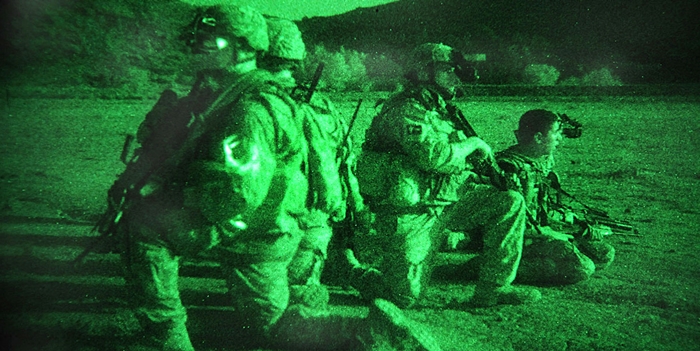
Absolutely. Lighting is not required when I'm scanning your building.
My infrared camera operates solely utilizing heat information and most objects
will present a different thermal signature to their surroundings. I can be
placed in a room with total darkness, and your infrared results will not be
impeded.
How long does an infrared inspection usually take
?
An average size home (2,000 square feet) can be scanned in approximately 1
hour. It will then take me 2 hours to generate the professional IR report at my
office. These times may vary depending on the size, age and condition of the
home being inspected and how many images that are required to identify every
issue within a particular home.
Should a newly constructed home be inspected?
Absolutely! I highly recommend that you get me in there and I'll locate
inefficiencies somewhere in that building. New homes simply do not
guarantee perfection. I've performed IR scans on many newly constructed homes
and I have not found a perfect home yet. Their will be issues no matter what,
but we want to know to what extent. My thermal imaging camera will determine
that. Locate those issues now, before you close on escrow or before your
warranty expires and eliminate any problems that are not visible to the
naked eye.
Can I accompany the Thermographer during the
inspection?
Absolutely. I always strongly recommend that you walk right alongside me. I
will point out the areas in question, show you my IR monitor and give you
options on how it can be properly corrected. Also, feel free to ask me any
questions that you may have. This will assist you in obtaining the most benefit
from the infrared inspection and you will gain the most understanding of the
many systems that make up your home.
What is included in the report?
You will receive a comprehensive report with an inventory of all scanned images.
It will provide in clear written detail all the thermal anomalies that I have
detected, as well as recommendations for repair.
Do I get a tax break for having an inspection?
Tax incentives have been extended to December 31, 2008 for newly constructed
energy efficient homes. To see if you qualify...GO
HERE
Why should I have my home inspected with an infrared
camera?
You're home is most likely going to be the largest investment you're going to
make in your lifetime. While living in this home, you want to know (up front)
where hidden defects are lurking. If hidden defects (such as faulty wiring) go
unattended too long or too late, the expense of having it repaired could be
exorbitant. Also, thermal deficiencies that are corrected now, will more than
likely pay for themselves within the first couple years of repair. So keep your
home comfortable and safe while protecting your investment. Get an infrared scan
today.
|