Massachusetts Thermal Imaging
Massachusetts Thermal Imaging

Welcome to Massachusetts Infrared! I'm David Valley, and I appreciate your interest in Massachusetts Infrared (Thermal) Inspections. As part of my dedication to delivering reliable service to my home inspection clients, I’m now offering a valuable preventive and predictive maintenance solution—Infrared Inspections, also known as Thermal Imaging.
This advanced technology enables me to detect what's happening behind finished walls and ceilings in your current or prospective home. While these surfaces are invisible to the naked eye, my infrared camera—along with my expertise in thermal imaging—can uncover hidden issues, revealing them before they become costly problems.
Here’s how infrared imaging will work in your home or business.
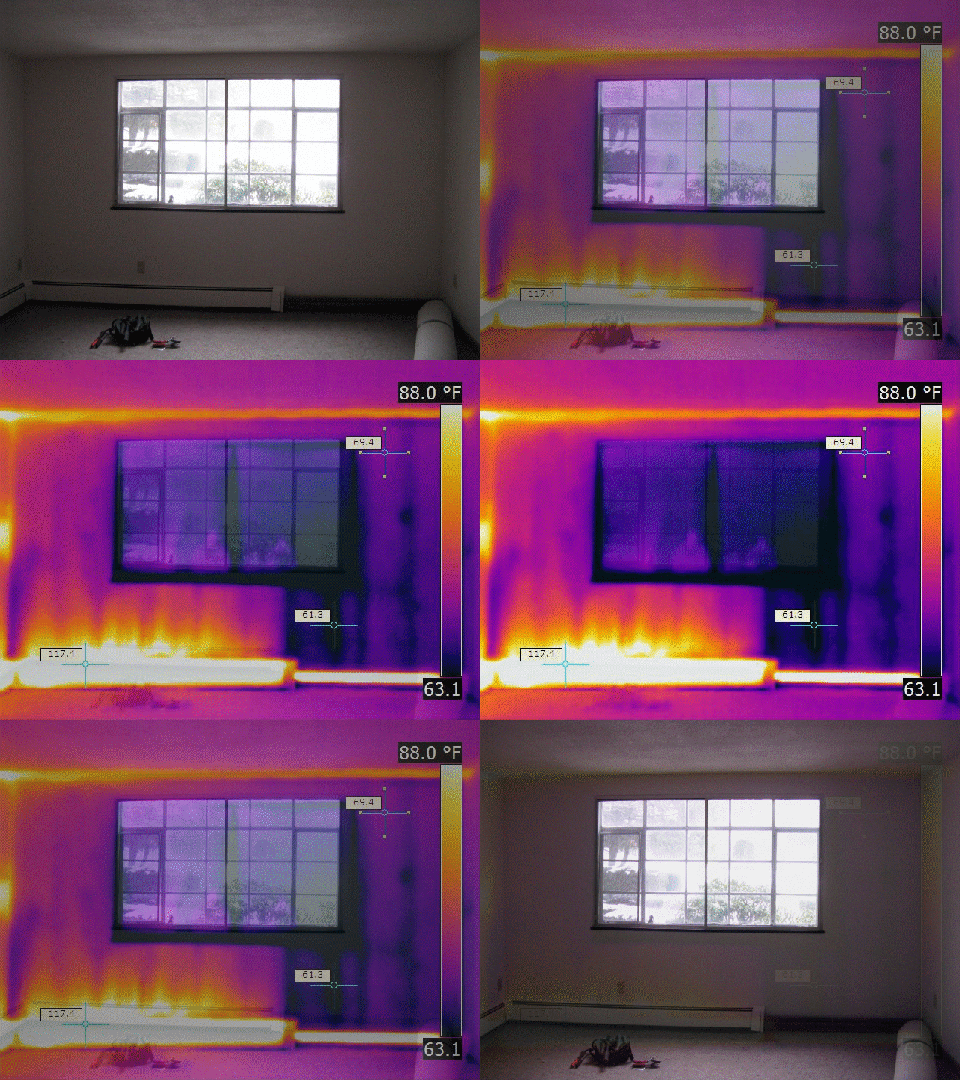
My infrared (IR) camera captures variations in both hot and cold temperatures, as shown here.
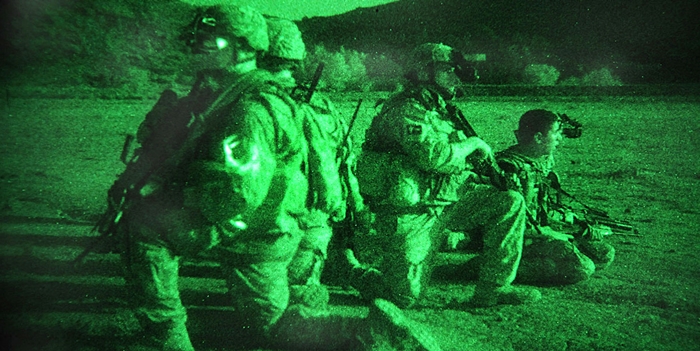
Thermal imaging (IR) is a sophisticated technology initially developed by the military to improve night vision in advanced weapon systems during the Korean War. It was extensively used by ground forces for battlefield scanning, target acquisition, and detecting enemy positions in total darkness.
This remarkable camera technology has advanced so significantly that it has become an invaluable tool in the residential and commercial inspection industry. Thermal imaging is now considered one of the most important innovations in the field. In the hands of a certified, trained, and experienced thermographer like myself, an infrared camera can uncover hidden issues behind finished surfaces. By analyzing thermal images and temperature readings, I can accurately interpret and communicate these findings to you—both in person and through a comprehensive professional report.
For more information, please go to the top right corner and click "Navigate."




Thank you for stopping by
To schedule an appointment, call me at 978-685-1909.